

Best Artisan Furniture Brands for European Style
Last Updated: November 22, 2026
Quick Summary
The best artisan furniture brands for European style match the piece to one of five regional traditions: French, Italian, Scandinavian, Spanish and Mediterranean, or German and Central European. Choose the tradition that fits your room's architecture first, then pick the brand, and verify provenance by asking who made it, what it is made of, and how it is joined.
- French style works best mixed, so skip buying a matching suite.
- Italian pieces should be the focal object, so buy one and let the rest recede.
- The Paola Rattan & Hardwood Bench pairs a handwoven rattan seat with a hardwood frame for $500.
- Repeat one wood tone and one finish across at least two pieces per room for cohesion.
- Solid wood can generally be sanded and refinished, which veneered particleboard cannot.
Table of Contents
- What Makes Artisan Furniture Different From Mass-Produced Luxury
- European Style by Region: French, Italian, and Scandinavian Signatures
- Best French Furniture Brands for Timeless Elegance
- Top Italian Furniture Brands for Sculptural Design
- Top Scandinavian Furniture Brands for Warm Minimalism
- Sustainable Furniture Brands That Respect Materials and Makers
- Building a Cohesive European Look With Che Bella Casa
- Frequently Asked Questions
What Makes Artisan Furniture Different From Mass-Produced Luxury
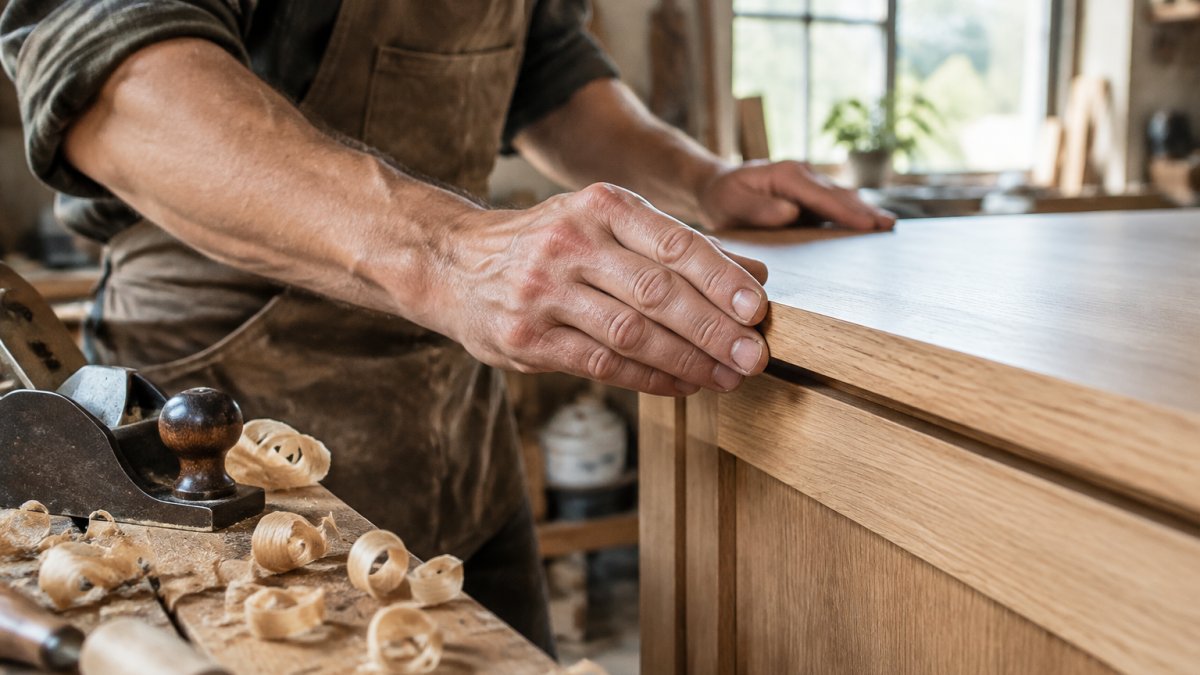
Artisan furniture is made in small batches by individual makers who control the material, the joinery, and the finish, rather than assembled on a production line to a fixed spec. That distinction is the whole ballgame when you are shopping for the best artisan furniture brands for European style. The difference shows up in the details you cannot fake: hand-cut dovetails, grain that runs continuously across a drawer front, and a finish that was rubbed on rather than sprayed.
Mass-produced luxury is a marketing category. Artisan furniture is a production method.
How to Verify Provenance and Craftsmanship Before You Buy
Ask three questions, in this order. Who made it? What is it made of? How is it joined?
- Who made it: A real workshop can name the maker or the region. Vague "European-inspired" language without a source is a red flag.
- What it is made of: Solid oak, solid walnut, and natural rattan behave differently from veneered particleboard. Ask for the species.
- How it is joined: Dovetails, mortise-and-tenon, and doweled frames outlast staples and cam locks.
The Federal Trade Commission's guidance on "Made in USA" claims is a useful primer on how origin claims are regulated, and it will sharpen your ear for loose language.
European Style by Region: French, Italian, and Scandinavian Signatures
European style is not one look, and the fastest way to shortlist artisan brands is to decide which regional tradition you are actually furnishing toward. The five traditions below account for most of what shoppers mean by "European style," and each carries its own vocabulary of form, material, and finish.
French: symmetry and inherited patina. French interiors reward balance: paired lamps, centered case pieces, and carved or molded detail used sparingly. Finishes lean toward limed oak, painted gray, and soft wax that suggests age rather than gloss. Look for case goods with shaped aprons, tapered legs, and hardware that reads as antique brass or iron.
Italian: sculpture and drama. Italian design treats furniture as composition, with curved silhouettes, bold glass, and finishes that catch light. Venetian glassmaking is the reference point for lighting and decorative objects, while case goods often favor high-contrast veneers, lacquer, and metal accents.
Scandinavian: warm minimalism. Scandinavian design strips forms back to pale woods, natural fibers, and comfort-first proportions. The tell is warmth: woven rattan, wool, and oiled oak rather than cold lacquer. Look for tapered legs, exposed joinery, and seats that are handwoven rather than stapled. This is the easiest tradition to live with daily and the hardest to fake with veneer.
Spanish and Mediterranean: heavy timber and iron. Spanish and broader Mediterranean traditions lean on solid timber, hand-forged iron, and finishes that age outdoors as well as in. Look for thick tops, peg-and-tenon joinery, and hardware with visible hammer marks. These pieces suit entries, dining rooms, and covered terraces where weight and weather resistance matter.
German and Central European: precision and restraint. This tradition favors clean geometry, precise joinery, and finishes that hide nothing. Look for tight seams, square profiles, and hardware that operates smoothly rather than decoratively. It is the closest European analogue to American studio furniture in its emphasis on construction over ornament.
A practical way to use this breakdown: pick the tradition that matches the room's architecture first, then the brand. A sculptural Italian chandelier fights a low-ceilinged colonial room, and a limed French cabinet can look fussy in a glass-walled modern space.
Watch out: "European-inspired" is a marketing phrase, not a regional tradition. If a listing cannot name the tradition or the maker's region, treat the style claim as decorative rather than descriptive.
Each European tradition carries its own vocabulary of form, material, and finish, so match the tradition to the room before you shop for a brand.
| Tradition | Signature look | What to look for |
|---|---|---|
| French | Symmetry and inherited patina | Shaped aprons, tapered legs, antique brass or iron hardware |
| Italian | Sculpture and drama | Curved silhouettes, bold glass, high-contrast veneers, lacquer |
| Scandinavian | Warm minimalism | Pale woods, woven rattan, wool, oiled oak, exposed joinery |
| Spanish and Mediterranean | Heavy timber and iron | Thick tops, peg-and-tenon joinery, hammer-marked hardware |
| German and Central European | Precision and restraint | Tight seams, square profiles, smooth non-decorative hardware |
Best French Furniture Brands for Timeless Elegance
The best French furniture brands share one quality: restraint. Ornament appears where it earns its place, and the proportions do the talking.
Our pick for the French register is the Edgar Limed Gray Oak Corner Cabinet, a solid oak piece with a limed gray finish that reads as antique without pretending to be. At 86 inches tall and 43 inches wide, it turns a dead corner into a focal point, and the pale finish pairs with both traditional and transitional rooms.

If you want a smaller gesture toward the style, the French Dried Look Faux Rose Stem 26 Tall adds the soft, faded palette French interiors are known for.
Best for: rooms that need one confident antique-inspired anchor. Skip if: you want a matching suite, since French style works best mixed.
Top Italian Furniture Brands for Sculptural Design
Top Italian furniture brands treat a room as a composition. The piece should have a silhouette you would notice from the doorway.
That is the logic behind the Italian Murano Style Glass Disc Chandelier, which brings the glass-making tradition of the Venetian lagoon into a modern fixture. It is the kind of object that makes a dining room feel deliberate.
The Black Wooden Accent Table is a handcrafted piece with a sleek black finish. At $67.50, it is a compact option for living rooms, bedrooms, or entryways.
Best for: dining rooms and entries that need a focal object. Skip if: your room already has several strong shapes competing.
Top Scandinavian Furniture Brands for Warm Minimalism
Top Scandinavian furniture brands get minimalism wrong less often than anyone else. The trick is warmth: pale wood, woven texture, and nothing that feels cold.
The Paola Rattan & Hardwood Bench is our example of the style done right. A heavy-duty hardwood frame carries a handwoven rattan seat, and at 39 inches long it works in an entryway or on a covered porch. At $500, it is a finished piece of furniture.

Pair it with the Elsyan Rattan Dome Pendant Handwoven Scandinavian Style Lampshade for the woven texture the style depends on.
Best for: entryways, sunrooms, and covered terraces. Skip if: you need upholstered seating for long lounging.
Sustainable Furniture Brands That Respect Materials and Makers
Sustainable furniture brands are judged on two things: what the piece is made of and how long it will last. A chair that survives thirty years is more responsible than three that fail in ten, and that lifespan argument is the one most brand roundups skip.
Materials that age well. Solid wood can generally be sanded and refinished, which veneered particleboard cannot. Ask for the species and the finish: oils and waxes can be refreshed by the owner, while heavy lacquers and polyurethanes often require a professional strip.
Construction that can be repaired. Dovetails, mortise-and-tenon joints, and doweled frames outlast staples and cam locks, and they can be tightened rather than replaced. Look for seats that are handwoven or screwed rather than glued, and for hardware that is standard rather than proprietary. A piece built with removable legs and accessible fasteners is far easier to move and repair.
Production scale.
Verifying claims. Origin and content claims are regulated, and the Federal Trade Commission's guidance on environmental marketing claims is the reference for how terms like "sustainable" and "eco-friendly" are treated. A maker who can name the mill, the species, and the finish is more credible than one who relies on a badge. Certifications such as FSC for wood sourcing are useful signals, but they address the forest, not the joinery or the finish.
Aftercare as a sustainability practice. Repairability is the most underrated sustainability feature. Ask whether replacement cushions, cane panels, and hardware are available after purchase, and whether the maker offers refinishing guidance. A piece you can maintain is a piece you keep.
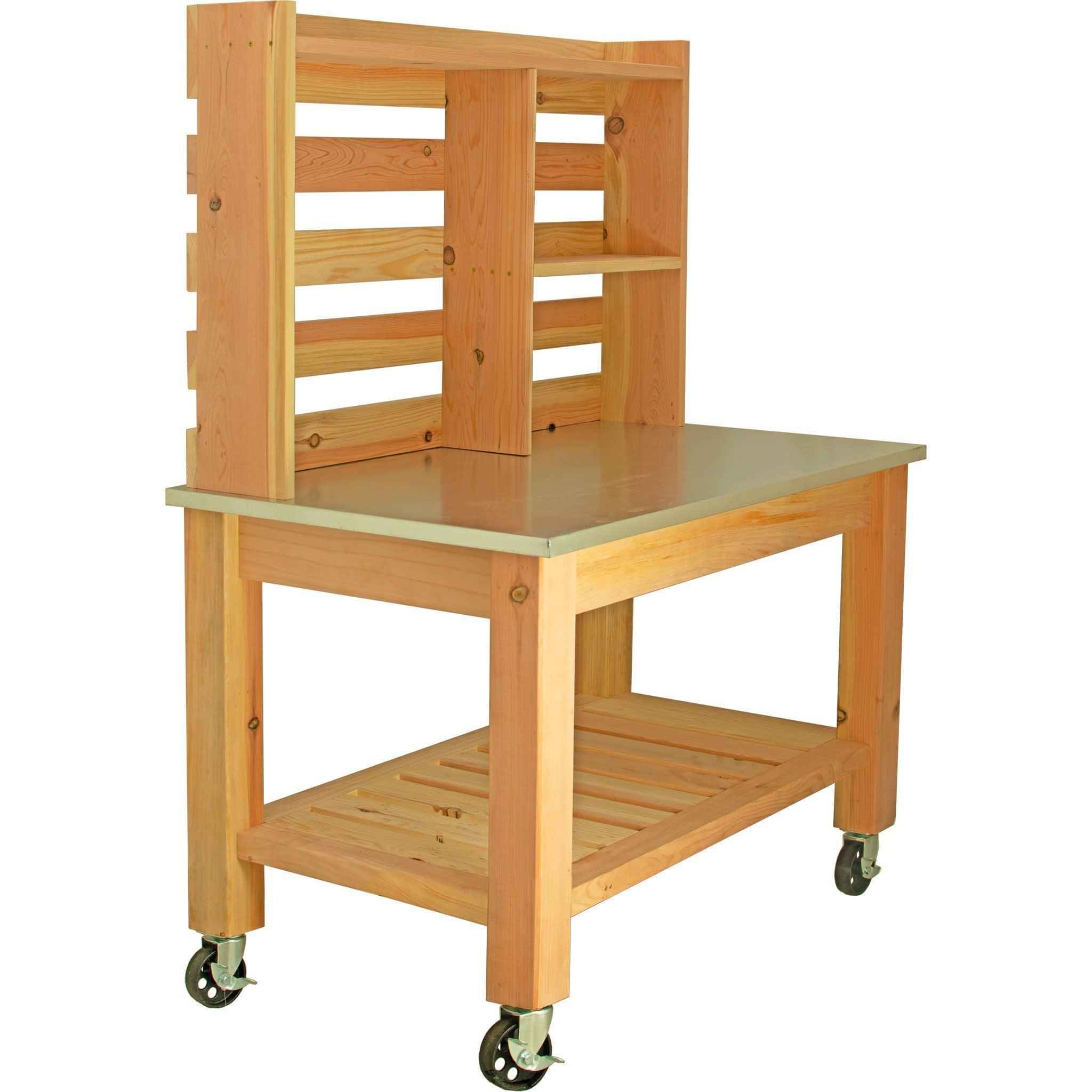
The Modern Garden Potting Table is made with fresh-cut redwood, a galvanized steel top, and cast iron casters. At $1,469.99, it is an outdoor piece for garden use.
Watch out: "sustainable" is not a standardized claim in furniture retail. If a listing cannot tell you the wood species, the finish type, and where the piece was made, the sustainability language is probably marketing rather than a specification.
Building a Cohesive European Look With Che Bella Casa
Cohesion comes from repeating three things: material, finish, and one accent color. Pick a wood tone, repeat it in at least two pieces per room, and let a single accent carry the drama.
That is how we curate at Che Bella Casa. Our collection runs from hand-woven textiles to made-to-order furniture, chosen for artisan traditions and quality craftsmanship. If you are mid-renovation and unsure where to start, a Che Bella Casa Gift Card lets you begin with one piece and build from there.
The hardest part of a European look is starting. Pick one anchor piece, let it set the material and tone, and add around it slowly. Che Bella Casa curates made-to-order furniture and artisan décor inspired by Mediterranean coastlines and European countryside estates, so you can build a room that feels collected rather than purchased. Get started with Che Bella Casa and furnish your home with pieces worth keeping.
Frequently Asked Questions
What should I look for when buying artisan furniture?
Look for joinery you can inspect, such as dovetails or mortise-and-tenon joints rather than staples and cam locks. Ask who made the piece and where the wood was sourced. Request the finish schedule and care instructions. Check whether dimensions are listed precisely, as Che Bella Casa does with the Edgar Limed Gray Oak Corner Cabinet at 43 inches wide, 32 inches deep, and 86 inches tall.
Which furniture brands make handcrafted European-style pieces?
Brands that combine European design heritage with visible handwork are the ones to watch. French makers lean on carved oak and limed finishes, Italian workshops on sculptural silhouettes, and Scandinavian studios on pale woods and clean lines. Che Bella Casa curates across these traditions, offering pieces like the Edgar Limed Gray Oak Corner Cabinet with its European-inspired design and the handwoven Paola Rattan & Hardwood Bench, both chosen for artisan construction rather than volume production.
How can I tell whether furniture is genuinely handcrafted?
Genuine handcrafted furniture shows small irregularities: slightly uneven hand-planed surfaces, visible tool marks on the underside, and grain that continues across a joint. Mass-produced pieces are uniform to the millimetre. Ask for workshop photos or a maker name. Che Bella Casa notes that subtle variations in color, texture, and finish on the Paola Bench are expected and are a feature of authentic craftsmanship rather than defects. If a seller cannot name the workshop, treat the artisan claim with caution.
Which European furniture brands offer sustainable materials?
Sustainability in artisan furniture usually shows up as solid wood over veneered particleboard, natural fibers like rattan, and low-VOC finishes. Responsibly sourced oak and redwood are good signs. The Modern Garden Potting Table is built from fresh-cut redwood with a galvanized steel top that resists rust. Ask suppliers for material origin and finish composition before you commit to a large purchase.
What are the top Scandinavian furniture brands?
Scandinavian design is defined by pale woods, functional forms, and restrained palettes. When evaluating top Scandinavian furniture brands, check that the piece uses solid timber rather than foil-wrapped board and that upholstery is a natural blend. The Paola Rattan & Hardwood Bench fits this aesthetic with its clean lines, natural palette, and handwoven rattan seat on a heavy-duty hardwood frame, making it a fit for Scandi-style interiors.
