

Is High-End Furniture Worth It? A Realistic 2026 Guide
Table of Contents
- What Makes High-End Furniture Different from Budget Options
- Materials, Construction, and Craftsmanship: What You're Paying For
- How to Tell if Furniture Is Good Quality
- High-End vs. Cheap Furniture: Durability and Lifespan
- How Much to Spend on a Sofa and Other Key Pieces
- Does Expensive Furniture Hold Its Value?
- Is High-End Furniture Worth It for Your Home?
- Frequently Asked Questions
Last Updated: October 6, 2026
What Makes High-End Furniture Different from Budget Options
The difference between high-end furniture and budget alternatives isn't just about price. At Che Bella Casa, we curate luxury pieces that reveal what truly separates investment-quality furniture from mass-produced options. The gap comes down to materials, construction methods, design intentionality, and how pieces age.
Budget furniture prioritizes affordability through cost reduction at every stage. Manufacturers use veneers over particleboard, stapled joints instead of mortise-and-tenon construction, and synthetic fabrics designed for short lifespans. High-end furniture invests in solid wood, hand-tied springs, genuine leather, and joinery techniques that have been refined over centuries. When you buy expensive furniture, you're paying for materials that improve with age rather than materials engineered to fail predictably.
The construction philosophy differs fundamentally. Budget pieces are assembled quickly on production lines with minimal hand labor. High-end pieces often involve multiple craftspeople, each specializing in a specific stage. A handcrafted sofa might spend weeks in production; a budget equivalent takes hours. This isn't inefficiency, it's intentional quality control that catches defects before they reach your home.
Design also separates the categories. Budget furniture follows trend cycles and gets replaced seasonally. High-end pieces are designed for timelessness, with proportions and details that won't feel dated in five years. The aesthetic choices reflect restraint rather than novelty-chasing. A well-designed expensive chair looks refined in 2026 and will look refined in 2036.
Materials, Construction, and Craftsmanship: What You're Paying For
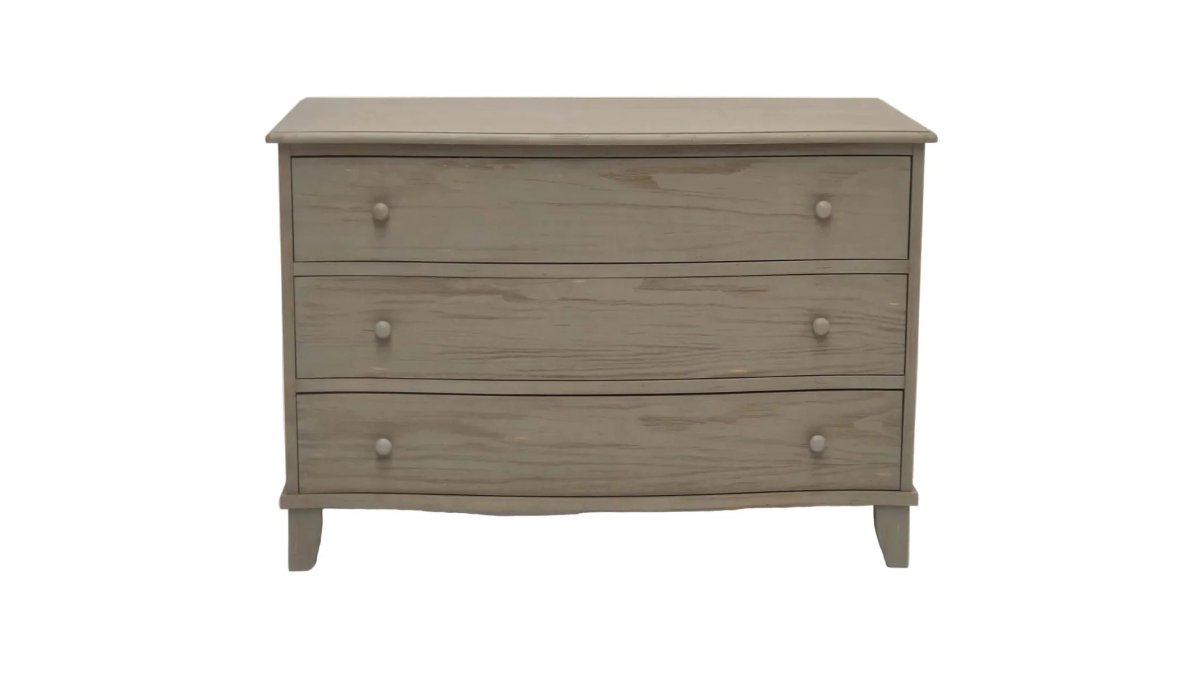
When you pay more for furniture, you're primarily paying for material quality and the labor required to work with superior materials skillfully. Solid hardwoods like walnut, oak, and cherry cost significantly more than plywood or particleboard, but they can be repaired, refinished, and last for generations. The Frier Chest from our collection exemplifies this, handcrafted from sustainably sourced hardwood with classic dovetail joinery, each curve and edge is meticulously sanded and sealed to withstand the test of time.

Frame construction determines how long a sofa or chair will actually support your weight. Budget frames use stapled or glued plywood. High-end frames use kiln-dried hardwood with mortise-and-tenon joints or dowel construction. These methods distribute stress across the entire structure rather than concentrating it at connection points. The difference becomes apparent after five years, budget frames develop squeaks and wobbles; quality frames remain silent and solid.
Upholstery materials matter enormously. Genuine leather develops character and patina over time. High-quality fabric blends are woven tightly enough to resist pilling and fading. Budget upholstery uses thin fabrics over low-density foam that compresses quickly. Premium foam in high-end pieces maintains its shape and support for two decades or more. The Ottoman Bench of Handwoven Fabric in Indigo Striped Design from our collection uses 100% cotton handwoven fabric, materials chosen specifically for durability.
Finishing techniques also matter. High-end wood furniture often uses hand-applied finishes like Danish oil, which cure into the wood and create water-resistant, hard satin finishes. Budget finishes are typically spray-applied lacquers that scratch easily and cannot be repaired without refinishing the entire piece.
How to Tell if Furniture Is Good Quality
Evaluating furniture quality requires knowing what to look for during shopping and after delivery. Here's what separates genuine quality from marketing hype.
Check the frame construction. Ask the retailer about the frame material and joinery method. Solid hardwood with mortise-and-tenon or dowel joints is the standard for quality furniture. Avoid anything describing the frame as "engineered wood" or using stapled construction. If you can examine the piece in person, flip it over and look at the underside, quality construction is visible and intentional.
Examine joints and seams. Dovetail joints in drawers indicate handcrafted construction. Seams in upholstery should be straight and consistent. Stitching should be tight with even spacing. Loose threads, crooked seams, or gaps indicate rushed manufacturing.
Feel the weight and stability. Quality furniture feels substantial. A chair or table shouldn't wobble when you apply gentle pressure. Heavy doesn't always mean good, but flimsy feels wrong immediately. Solid wood weighs more than plywood because it's actually solid throughout.
Test drawers and moving parts. Drawers should glide smoothly without resistance or wobbling. Hinges should be heavy-duty and operate silently. Mechanisms that feel cheap during testing will deteriorate quickly.
Assess fabric and leather quality. Run your hand across upholstery, quality fabrics feel dense and tightly woven. Leather should be supple, not plastic-feeling. Ask about the thread count in fabric and the leather grade (full-grain leather is superior to bonded leather).
Request documentation. Transparency about sourcing and construction indicates confidence in the product.
| Quality Indicator | Budget Furniture | High-End Furniture |
|---|---|---|
| Frame Material | Plywood, particleboard | Kiln-dried hardwood |
| Joinery | Staples, glue | Mortise-and-tenon, dowels |
| Upholstery | Thin synthetic fabric | Dense natural fabrics, genuine leather |
| Foam Density | Low (under 1.5 lb/cubic ft) | High (2.0+ lb/cubic ft) |
| Finishing | Spray lacquer | Hand-applied oil or stain |
| Weight | Light, feels hollow | Substantial, feels solid |
| Warranty | Limited or none | 5-10 years typical |
High-End vs. Cheap Furniture: Durability and Lifespan
The durability gap between high-end and budget furniture compounds over time. A budget sofa might feel acceptable for three to five years before sagging, staining permanently, or developing structural issues. A high-end sofa can remain comfortable and functional for 20 to 30 years with basic maintenance.
This difference comes from how materials respond to repeated use. Low-density foam in budget furniture compresses under body weight and never fully recovers. The fibers in cheap upholstery break down from friction and UV exposure. Particleboard frames swell and warp when exposed to humidity changes. None of these materials are designed for longevity, they're designed to be affordable initially.
Quality materials age differently. Solid hardwood becomes more stable as it seasons. High-density foam maintains its support characteristics for decades. Natural leather develops a patina that many people find beautiful. Tightly woven fabrics resist pilling and fading. These materials respond to wear by developing character rather than deteriorating.
The cost-per-year calculation shifts dramatically when you factor in lifespan. When you add in replacement costs, disposal fees, and the disruption of replacing furniture repeatedly, expensive pieces often represent better long-term value.
Repairability also affects durability. Budget furniture often can't be economically repaired, replacement is the only option.
How Much to Spend on a Sofa and Other Key Pieces
Determining appropriate spending requires understanding both your budget and the piece's role in your home. Different furniture categories justify different price points based on usage frequency and lifespan expectations.
Sofas and sectionals. These are your highest-use furniture pieces, often occupied several hours daily. A quality sofa justifies significant investment. Budget range: $1,500-$3,500 for solid construction with good materials. Premium range: $4,000-$8,000+ for designer pieces or custom upholstery. A well-made sofa at the mid-to-high end of this range will serve a household for 15+ years.
Mother of Pearl Inlay Coffee Table - Geometric Ethnic →
Dining tables. These pieces take less daily stress than sofas but are central to entertaining and daily life. The Farmhouse Entry Table from our collection, handcrafted from domestically sourced Claro Walnut, is built to last for years.

Bedroom furniture. Beds and dressers receive moderate use but benefit from quality construction. A quality bed frame and dresser set at $2,000-$4,000 combined is appropriate for pieces you'll use daily for 15+ years. The Frier Chest, at $2,033.98, represents investment-level bedroom storage that doubles as a sculptural accent piece.
Accent tables and occasional pieces. These items receive less stress and can justify lower spending. A quality coffee table or side table at $300-$800 is reasonable. The Mother of Pearl Inlay Coffee Table at $477.90 demonstrates how artisan craftsmanship creates lasting value even at moderate price points. The Black Wooden Accent Table at $67.50 shows that quality handcrafted pieces exist at lower price points for simpler designs.
Upholstered chairs. A quality accent chair at $800-$1,500 is appropriate for pieces you'll use regularly. Premium chairs run $2,000-$4,000. These pieces should feel comfortable immediately and maintain that comfort for a decade or more.
The rule of thumb: spend more on pieces you use daily and less on occasional-use items. A sofa you sit on five hours daily justifies higher spending than a guest bedroom chair used a few times yearly. Pieces you love aesthetically also justify higher spending because you'll keep them longer.
Does Expensive Furniture Hold Its Value?
Resale value is the often-overlooked factor in the high-end furniture equation. Quality pieces retain value far better than budget alternatives, though not in the way real estate does.
High-end furniture typically retains value better than budget alternatives, depending on condition, style, and desirability. Budget furniture often sells for 10-20% of original cost because replacement is often cheaper than buying used.
Several factors determine resale value. Timeless design holds value better than trendy pieces, a classic sofa in neutral tones resells easily, while a trendy color or style becomes harder to move. Brand reputation matters; pieces from recognized makers command higher prices. Condition is critical; furniture that's been well-maintained brings significantly more than worn pieces.
The real value of expensive furniture lies not in resale but in replacement avoidance. You don't buy a $3,500 sofa expecting to recoup that investment. You buy it because you won't need to replace it for 20 years. The $800 budget sofa you replace every five years costs far more over time than the expensive piece you keep for decades.
Most expensive furniture should be evaluated on durability and satisfaction, not investment potential.
Is High-End Furniture Worth It for Your Home?
Whether high-end furniture worth it depends on your situation, not on universal rules. High-end furniture is worth it when specific conditions align.
High-end furniture makes sense when: You plan to keep pieces for 10+ years. You use furniture intensively (a sofa that gets daily family use). You value aesthetics enough to live with a piece long-term. You have space and lifestyle that support quality pieces. You can afford the upfront cost without financial strain. You appreciate craftsmanship and design as intrinsic values.
Budget furniture makes sense when: You move frequently and need portable, replaceable pieces. Your style preferences change rapidly. You have young children or pets creating extreme wear conditions. You're furnishing temporary housing. You have limited upfront capital. You value experimentation over long-term commitment.
The honest answer: most homes benefit from a mixed approach. Invest in pieces you use daily and love aesthetically, your sofa, bed, and primary dining table. These pieces justify higher spending because they'll serve you for decades. Spend less on occasional-use pieces, accent furniture, and pieces in spaces that see less traffic.
At Che Bella Casa, we believe meaningful furniture transforms how you live at home. The Ottoman Bench of Handwoven Fabric in Indigo Striped Design at $199.95 shows that quality craftsmanship and artisan traditions don't require extreme spending. The Mother of Pearl Inlay Coffee Table at $477.90 demonstrates how investment in materials and craftsmanship creates pieces that function as both practical surfaces and artistic focal points.

The real question isn't whether expensive furniture is worth it in absolute terms. It's whether the specific pieces you're considering will serve your life well for years to come. Quality construction, thoughtful design, and materials that age gracefully justify premium pricing when you're buying pieces you'll actually use and love.
Investing in quality furniture transforms your home from a collection of functional items into a curated retreat that reflects your values and aesthetic. At Che Bella Casa, we've built our collection around artisan traditions and materials chosen for their longevity and beauty.
Frequently Asked Questions
What makes furniture high-end, and is high-end furniture worth the extra cost?
High-end furniture prioritizes materials, craftsmanship, and durability over mass production. Premium pieces use solid wood, quality upholstery, and hand-assembled joinery. Over a decade, high-end pieces often cost less per year of use. The investment pays off if you value longevity, comfort, and design that doesn't trend out of style.
Does expensive furniture last longer than cheap furniture?
Yes, significantly. High-quality furniture withstands wear and tear through superior materials and construction. A solid wood frame with high-density foam lasts far longer than particleboard with sintered foam. Budget furniture often cannot be repaired economically, making replacement the only option when damage occurs.
Does high-quality furniture hold its value, and can I resell it?
Quality furniture holds value better than budget alternatives, especially pieces from established makers or handcrafted items. However, trends and condition matter, neutral designs in excellent condition command higher resale prices than trendy pieces that date quickly.
Is $3,000 expensive for a couch, and how much should I actually spend?
Consider your household needs: high traffic or pets justify investment in durability and stain-resistant upholstery. A neutral frame with quality springs and foam is more important than brand name.