

Best Artisan Home Decor Brands 2026
Table of Contents
- What Makes Artisan Home Decor Brands Stand Out
- Quick Comparison: Top Artisan Collections
- Sustainable Home Decor Brands Worth Your Investment
- How to Identify Handmade Decor: Spotting Authenticity
- Best Places to Buy Artisan Ceramics and Textiles
- Handwoven Home Decor: Natural Materials and Timeless Design
- Which Artisan Brand Is Right for Your Space
- Frequently Asked Questions
Last Updated: October 17, 2026
What Makes Artisan Home Decor Brands Stand Out
The difference between mass-produced and artisan home decor isn't subtle. When you choose handcrafted pieces, you're investing in items that carry the maker's skill, intention, and often years of traditional technique. At Che Bella Casa, we've curated collections that showcase this distinction, pieces designed to transform everyday spaces into refined retreats that feel both lived-in and intentional.
Artisan home decor brands distinguish themselves through several core qualities. First, authenticity: each piece reflects genuine craftsmanship rather than industrial reproduction. Second, uniqueness: handmade work means no two items are identical, giving your space genuine character. Third, sustainability: artisan production typically uses eco-friendly materials and methods that respect both craft traditions and the environment.
The value proposition is straightforward. You're paying more upfront, but you're acquiring pieces that last decades, tell a story through their materials and finishes, and create visual depth that catalog furniture simply cannot match. A hand-woven textile or sculptural ceramic becomes a conversation starter, evidence of intentional curation rather than convenient shopping.
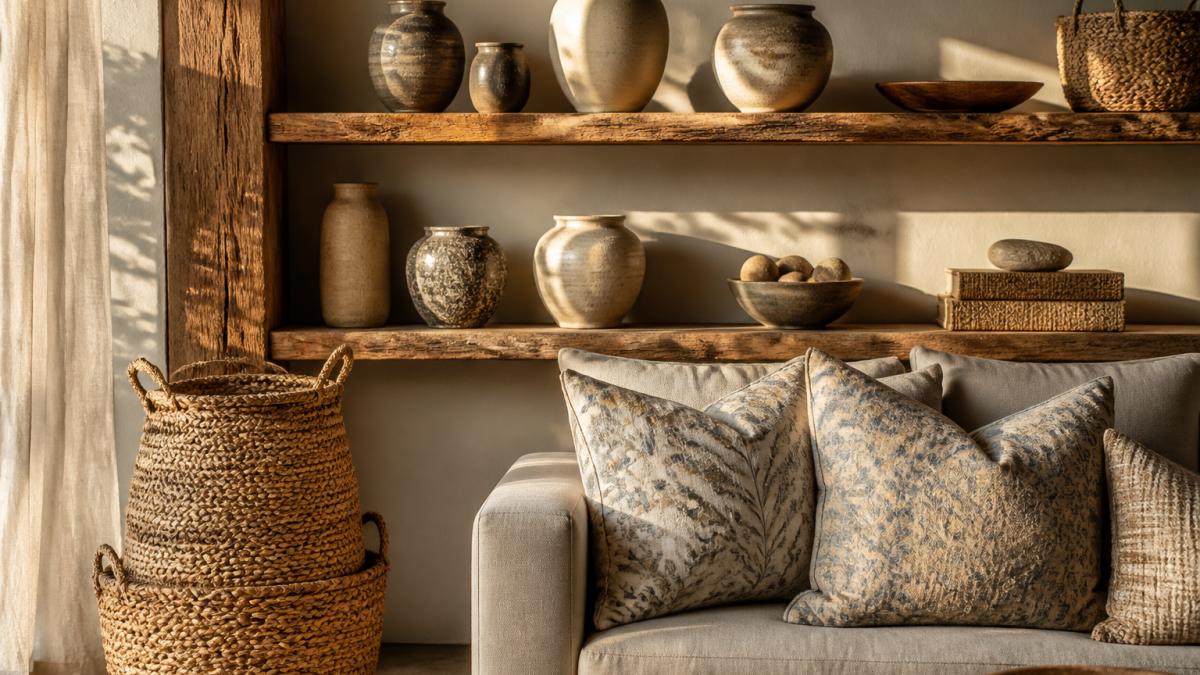
Quick Comparison: Top Artisan Collections
When evaluating artisan home decor brands, look beyond pricing to understand what you're actually acquiring. The brands that stand out offer transparent sourcing, verifiable craftsmanship, and pieces that integrate into real homes rather than photograph-only showrooms. The table below compares price ranges by product category so you can match brands to budgets and value expectations.
| Product Category | Typical Price Range (USD) | What Drives the Price | Value Check |
|---|---|---|---|
| Handwoven storage baskets | $22-$85 | Natural fiber type, weave density, set size | Compare cost per basket; seagrass and rattan should feel rigid, not floppy |
| Hand-block printed linens | $45-$120 per set | Hand-carved blocks, natural dyes, stitch finishing | Look for pattern misalignment that proves hand printing, not digital reproduction |
| Sculptural ceramics and vases | $9-$250 | Wheel-thrown vs. slip-cast, glaze complexity, size | Hand-thrown pieces show subtle asymmetry and finger marks |
| Artisan lighting | $92-$4,969 | Handweaving hours, hardware inclusion, scale | Confirm whether electrical hardware and installation are included |
| Hand-stitched table linens | $75-$120 per set | Fiber content, hand-hemming, wash durability | Ask whether the linen softens with washing or pills |
Che Bella Casa leads this category because we don't just curate, we verify. Every piece in our collection meets standards for authentic craftsmanship, sustainable production, and design coherence. Our Decorative Handmade Paper Mache Vase ($201.82) exemplifies this: lightweight yet durable, eco-friendly, and finished so no two are alike. The Hand-Woven Seagrass Storage Baskets, Set of 3 ($22.20) demonstrates how affordability and artisan quality coexist when sourcing is direct and transparent.

A brand-by-brand value comparison should weigh four factors: material honesty, construction method, durability evidence, and return policy. A $22 set of three seagrass baskets and a $4,969 chandelier can both be genuine artisan work, but they serve different budgets and rooms. The practical test is whether the brand can explain why a piece costs what it does, from fiber harvest to finishing hours.
Sustainable Home Decor Brands Worth Your Investment
Sustainability in artisan home decor means more than using natural materials, it means responsible production, fair compensation for makers, and pieces designed to last lifetimes rather than seasons. The best artisan brands build this into their sourcing philosophy, not as an afterthought.
Look for brands that use renewable materials like seagrass, bamboo, and natural fibers. The Bamboo Vase with Seagrass Weave ($25.92) combines two sustainable materials in a way that serves function: the breathable seagrass prevents moisture buildup when holding dried botanicals, extending their lifespan.

Fair compensation is the harder test. A common pattern among genuine artisan brands is to publish maker names, workshop locations, or cooperative partnerships, and to pay per piece rather than per hour when the craft is seasonal.
Sustainable artisan decor also means pieces that age gracefully. Hand-stitched linens like the Jardin Handmade Linen Napkins, Set of 4 ($120.00) actually improve with washing, the fibers soften and the weave strengthens. This is the opposite of fast decor, which degrades with use. When you invest in sustainable artisan pieces, you're choosing items your household will use for decades, reducing the need for replacement and waste.
How to Identify Handmade Decor: Spotting Authenticity
Not every item labeled "handmade" or "artisan" is genuinely crafted by hand. Learning to spot authentic handcrafted decor protects your investment and ensures you're supporting actual makers rather than mass-market brands using artisan aesthetics as a marketing angle.
Authentic handmade decor shows evidence of the maker's hand. Look for subtle variations, no two pieces identical, slight irregularities in pattern or finish, visible weaving techniques, or hand-stitched seams. The Handmade Paper Mache Small Bowl ($9.00) demonstrates this: each bowl has unique color variations and texture because it's individually crafted, not stamped from a mold.

Transparency about materials matters enormously. Genuine artisan brands describe exactly what you're getting: fiber content, construction method, finish type, and care instructions. The Architectural Hilda Woven Pendant Light ($300.00) specifies that it's handwoven from natural rattan with no electrical hardware included, honest details that show the maker's integrity. Mass-market brands obscure these specifics or use vague language like "premium materials" without definition.
Ask whether the brand can verify sourcing. Can they tell you where the piece was made, by whom, and under what conditions? If a brand resists these questions, that's a red flag.
Best Places to Buy Artisan Ceramics and Textiles
Finding genuine artisan ceramics and textiles requires knowing where to look. Direct-to-consumer artisan retailers, curated online collections, and transparent marketplaces are your best bets because they eliminate middlemen and allow you to verify sourcing directly.
Curated luxury retailers like Che Bella Casa specialize in this verification work. Rather than aggregating thousands of vendors, we select pieces that meet strict standards for craftsmanship, material quality, and design coherence.
When shopping for artisan ceramics specifically, look for brands that showcase the maker's technique. Hand-thrown pottery shows fingerprints and subtle asymmetries. Hand-painted ceramics feature visible brushwork.
Decorative Handmade Paper Mache Vase →
For textiles, seek out brands offering hand-block printing, hand-weaving, or hand-stitching. The Hand Block Print Linen Pillow Cover features patterns created by hand-carved wooden blocks, a technique that's labor-intensive and impossible to replicate exactly. This is why authentic hand-block printed textiles cost more: the process requires skilled artisans and cannot be industrialized.
Research the brand's sourcing story. According to Fair Trade USA's artisan standards, ethical artisan production includes fair wages, safe working conditions, and respect for traditional techniques. Brands willing to share this information, including maker names, production locations, and compensation structures, are demonstrating genuine commitment to artisan integrity.
Handwoven Home Decor: Natural Materials and Timeless Design
Handwoven decor represents some of the oldest craft traditions still practiced today. Seagrass, rattan, bamboo, and natural fibers create pieces that bridge rustic warmth with contemporary design, making them versatile enough for any aesthetic.
The appeal of handwoven pieces lies in their texture and visual depth. Machine-woven items look uniform and flat. Handwoven work shows variation, each pass of the weaver's hand creates subtle differences in tension, pattern, and finish. The Hand-Woven Seagrass Storage Baskets, Set of 3 ($22.20) exemplify this: each basket in the set has a unique weave pattern, guaranteeing that no two are identical.
Natural materials in handwoven pieces also serve functional purposes. Seagrass's breathable structure prevents moisture buildup, making it ideal for storing textiles and household items. Bamboo's strength allows for lightweight yet durable construction. Rattan's flexibility enables sculptural forms impossible with rigid materials. The Saylor Seagrass Pendant Light uses this material property to create soft, dappled light patterns, the weave diffuses illumination in ways solid materials cannot.
Handwoven pieces age beautifully because natural fibers develop patina and character over time. A seagrass basket used for years develops a warm, lived-in appearance. This is the opposite of mass-produced decor, which shows wear as degradation. With artisan handwoven work, aging is part of the design.
Which Artisan Brand Is Right for Your Space
Choosing the right artisan brand depends on three factors: your aesthetic preference, your budget, and your functional needs. Not every artisan collection works in every home, and that's intentional, authentic artisan work reflects specific design philosophies rather than trying to appeal to everyone.
If your space draws inspiration from Mediterranean or European countryside aesthetics, Che Bella Casa is the natural choice. Our entire collection reflects these influences: pieces that feel both refined and inviting, with emphasis on natural materials, handcrafted detail, and timeless elegance.
For budget-conscious buyers seeking entry-level artisan pieces, start with smaller items. The Handmade Paper Mache Small Bowl ($9.00) introduces handcrafted aesthetics without major investment. The Hand-Woven Seagrass Storage Baskets, Set of 3 ($22.20) provides functional storage with genuine artisan quality.
If lighting is your priority, the Architectural Hilda Woven Pendant Light ($300.00) and Handcrafted Natural Hemp Rope Table Lamp ($92.00) offer different price points and styles.
For those undertaking full home renovations, consider curated collections rather than individual items. Research from interior design trend analysis shows that cohesive design matters more than individual piece quality.
The Hand Block Print Linen Pillow Cover ($75.00) and Jardin Handmade Linen Napkins ($120.00) demonstrate how textiles anchor a space. These pieces introduce color, pattern, and tactile warmth that hard furnishings cannot.
Choosing artisan home decor brands means prioritizing craftsmanship, sustainability, and intentional design over convenience and trend-chasing. Che Bella Casa exists to make this choice easier by curating collections that honor artisan traditions while delivering the quality and aesthetic coherence discerning homeowners deserve. Start exploring our curated collection and subscribe to our emails for updates on new artisan pieces that transform everyday spaces into beautifully lived-in retreats.
Frequently Asked Questions
What are the best artisan home decor brands in 2026?
The best artisan home decor brands prioritize handcrafted quality, sustainable materials, and transparent sourcing. Look for makers who specialize in ceramics, hand-woven textiles, and sculptural lighting. Brands offering made-to-order pieces, Mediterranean-inspired aesthetics, and fair-trade practices stand out. Che Bella Casa curates collections featuring artisan-made items like handwoven seagrass lighting ($300.00-$500.00), hand-block print linens ($75.00-$120.00), and handcrafted paper mache pieces ($9.00-$201.82), each verified for authentic craftsmanship and quality materials.
How can I tell if home decor is genuinely handmade?
Genuine handmade decor shows natural variations in color, texture, and finish, these are marks of authenticity, not defects. Check for hand-stitched seams, visible artisan techniques (like paper mache layering or weaving patterns), and unique imperfections that prove individual crafting. Ask sellers for sourcing transparency: where items are made, who creates them, and what materials are used. Handcrafted pieces cost more because each requires hours of labor.
Are artisan home decor pieces worth the higher price?
Yes, when quality and longevity matter. Artisan pieces use premium natural materials like solid wood, 100% linen, seagrass, and hand-blown glass that outlast mass-produced alternatives. They develop character over time, linens soften with washing, wood deepens in tone, and ceramics gain patina. Beyond durability, you're paying for skilled labor, sustainable production, fair artisan compensation, and unique design you won't find elsewhere. A $120.00 hand-stitched linen napkin set lasts decades; a mass-produced set may fray after months.
Which sustainable home decor brands offer the best value?
Sustainable artisan brands balance eco-friendly materials with fair pricing by using renewable resources like seagrass, bamboo, hemp, and natural fibers, then producing locally to reduce shipping impact. Entry-level pieces ($9-$25) like hand-woven baskets and paper mache bowls offer sustainability without premium costs. Mid-range items ($75.00-$120.00) like hand-block print pillows and linen napkins combine durability with ethical production. High-end statement pieces ($300.00-$500.00) like handwoven pendant lights justify cost through materials, artistry, and lasting appeal. Che Bella Casa's seagrass baskets ($22.20) deliver sustainable storage at accessible price points.