

Why Artisan-Made Furniture Outlasts Mass-Produced Pieces
Quick Summary
Artisan made furniture is built by hand or with hand-directed tools by a maker who controls the work from raw timber to finished piece. It tends to last longer because hand-cut joinery, solid wood and hand-applied finishes can be repaired and refinished, while mass-produced pieces often cannot.
- Check whether one maker or a small team shapes the joinery, sands the surfaces and applies the finish.
- Mortise-and-tenon joints, dovetails and drawbored pegs hold under load better than staples or thin dowels.
- Solid wood can generally be sanded and refinished more times than a thin veneer surface.
- Inspect the underside of a tabletop to confirm it is solid wood rather than a veneered panel.
- Artisan furniture costs more upfront and often has longer lead times since pieces are made to order.
Table of Contents
- What Artisan Made Furniture Actually Means
- Artisan Furniture vs Mass-Produced Furniture
- Craftsmanship, Joinery and Durability
- How to Identify Handmade Furniture Before You Buy
- Custom-Made Furniture Benefits: Fit, Finish and Personalization
- Pros, Cons and Long-Term Value vs Upfront Cost
- Choosing Your First Artisan Piece at Che Bella Casa
- Frequently Asked Questions
What Artisan Made Furniture Actually Means
Artisan made furniture is built by hand, or with hand-directed tools, by a maker who controls the work from raw timber to finished piece. The term has no settled legal definition, so brands use it loosely. A useful test is whether one maker or a small team shapes the joinery, sands the surfaces and applies the finish, rather than a production line completing one step each. For a deeper guide on judging handmade quality before purchase, see how to tell if handmade furniture is high quality.
Custom furniture sits close to this idea but is not the same thing. Custom means the dimensions, wood species or finish are tailored to the buyer. Plenty of custom pieces are still machine-cut in volume. Artisan-made work usually pairs the custom option with hand-finished details, which is why the two terms get confused.
The market for custom furniture is growing. One forecast values it at USD 44.76 billion in 2026, rising to USD 115 billion by 2035 at a reported 11.2% compound annual growth rate (Business Research Insights custom furniture market forecast). That figure covers custom furniture broadly, not artisan work alone, so treat it as a sign of demand rather than a measure of the handmade segment.
Artisan Furniture vs Mass-Produced Furniture
The clearest difference is how a piece is made. Mass-produced furniture is designed for repeatable output: standardized dimensions, engineered panels and fast assembly. Artisan furniture is made in smaller runs, often one piece at a time, with more variation from maker to maker.
| Factor | Artisan-made | Mass-produced |
|---|---|---|
| Construction | Hand-cut joinery, often solid wood | Screws, dowels or glue on engineered panels |
| Dimensions | Can be tailored to the room | Fixed standard sizes |
| Finish | Hand-applied oils or waxes | Factory-sprayed coatings |
| Repairability | Can be sanded and refinished | Often hard to repair once veneer lifts |
| Typical lifespan | Decades with basic care | Often a few years of heavy use |
| Upfront cost | Higher | Lower |
Mass-produced pieces are not automatically poor, and a well-made factory piece can serve a household for years.
Craftsmanship, Joinery and Durability
Durability comes mostly from how parts are joined and how much material the maker leaves for future repair. Mortise-and-tenon joints, dovetails and drawbored pegs hold under load because the wood itself locks the parts together; a drawbore pin pulls the joint tight and keeps it tight as the wood moves. Staples, cam fittings and thin dowels rely on fasteners that loosen as the wood expands and contracts through seasonal humidity swings.
A solid wood top can generally be sanded and refinished more times over its life than a thin veneer surface. Careful makers generally allow for seasonal wood movement rather than gluing wide tops rigidly to a frame.
A practical way to judge durability before you buy is to inspect three things: the joint, the stock thickness, and the finish. Run a finger along a drawer corner to feel whether dovetails are cut or routed as decoration. Look at the underside of a tabletop to confirm it is solid wood rather than a veneered panel. Ask what finish was used, because an oil-and-wax finish can be refreshed by the owner while a factory conversion varnish often requires a professional strip and respray.
Watch out: a maker who cannot explain how the top is attached to the base is worth questioning before you buy.
Why Solid Wood and Natural Materials Age Better
Solid wood changes color and grain character over years of use, and that change is usually an improvement. Oils darken the surface, small scratches blend into the patina, and a dent in solid stock can often be steamed or sanded out. Engineered boards cannot take this kind of wear: once the laminate chips, the damage stays visible and is difficult to fix properly.
Natural teak is also naturally resistant to moisture and insects, which is one reason it appears in outdoor and high-humidity furniture. The teak wood properties and uses are a good starting point for readers who want the species details. The result is furniture that often looks better at year ten than it did on delivery day.
Durability also depends on where the piece lives. Solid wood generally prefers stable indoor humidity rather than large swings. A piece placed over a heating vent, in direct afternoon sun, or in a bathroom without ventilation will move more and age faster regardless of how well it was built. Simple habits, such as using felt pads, keeping the piece out of direct sun, and wiping spills promptly, extend the life of any finish.
Repair is the other half of durability. Hand-built pieces are generally easier to tighten, re-glue and refinish than mass-produced pieces, which are often replaced rather than restored.
How to Identify Handmade Furniture Before You Buy
Several checks help separate genuine handmade work from pieces that are only styled to look handmade.
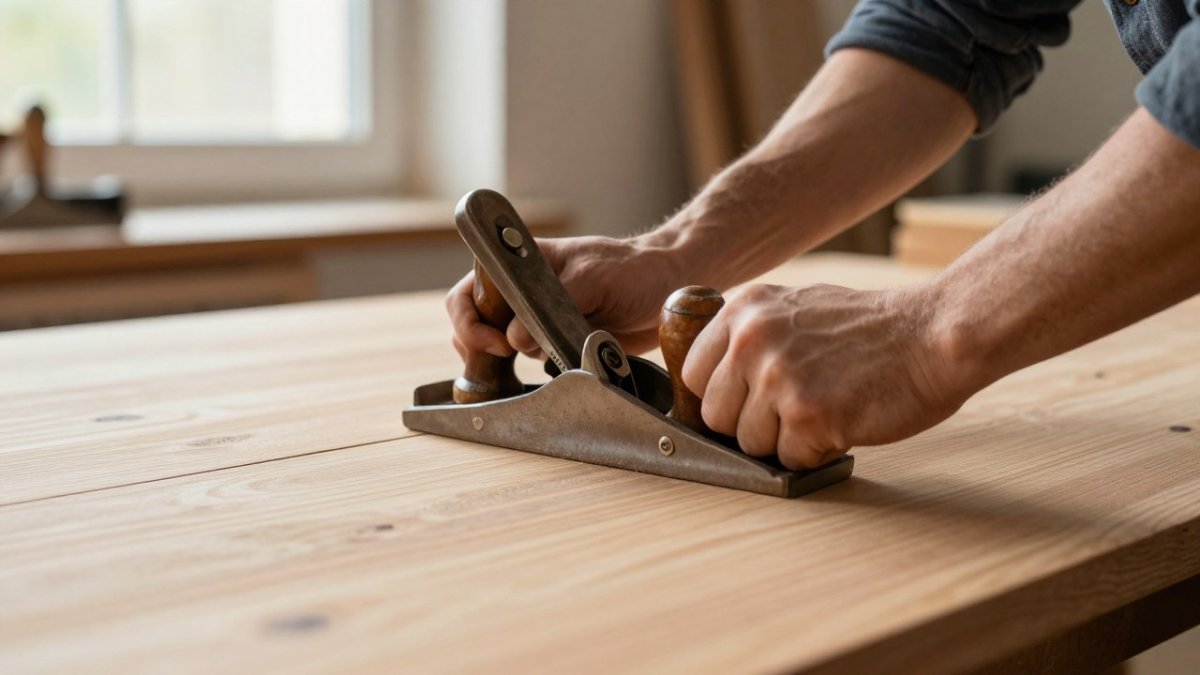
- Look at the joints. Visible dovetails, pegged mortise-and-tenon joints or consistent hand-cut edges suggest hand work. Perfectly uniform corners with no tool marks often come from a CNC router.
- Check the surface. Slight variations in grain, color and sheen are normal in hand-finished wood. Identical panels across a set can signal mass production.
- Ask about the maker. A named artisan or studio with a clear process is a better sign than vague claims about "craftsmanship."
- Ask about materials. Ask whether the piece is solid wood or veneer, and which species and finish are used.
- Ask about repair. Reputable makers can explain how a piece can be refinished or repaired years later.
Compare the listing details for each piece against this checklist before you buy.
Custom-Made Furniture Benefits: Fit, Finish and Personalization
Custom furniture can address fit problems that standard sizes do not, such as unusual alcoves or narrow hallways.
Finish is the second advantage. Some pieces are made to order, and customization can be discussed with the maker.
Pros, Cons and Long-Term Value vs Upfront Cost
Artisan-made furniture has clear strengths and real drawbacks.
Pros
- Solid construction that can often be refinished
- Materials that improve visually with age
- Custom sizing and finish options
Cons
- Higher upfront price than mass-produced alternatives
- Longer lead times, since pieces are often made to order
- Natural variation in color and grain may not suit every taste
- Quality varies between makers, so research is required
Long-term value is the strongest argument, but it only holds if you run the numbers. Spreading a purchase price across the years you expect to keep a piece, and adding any maintenance cost, is a useful way to compare options; the exact figures depend on the piece.
Price drivers are worth understanding so you can tell a fair quote from an inflated one. Price depends on factors such as materials, the amount of hand work and the design, and you can ask any maker to explain how their price is built up.
Lead times are a trade-off buyers can underestimate, so before you order, confirm the terms with the seller, including the expected completion window and how delivery is handled.
Watch out: a quote that is far below other makers for similar work is worth examining closely.
The balanced conclusion is that artisan furniture is not automatically the right choice for every buyer. If you move frequently, need a piece quickly, or want a perfectly uniform look, mass-produced furniture may serve you better.
Choosing Your First Artisan Piece at Che Bella Casa
If you are new to artisan furniture, start with a piece where construction and material are easy to judge.
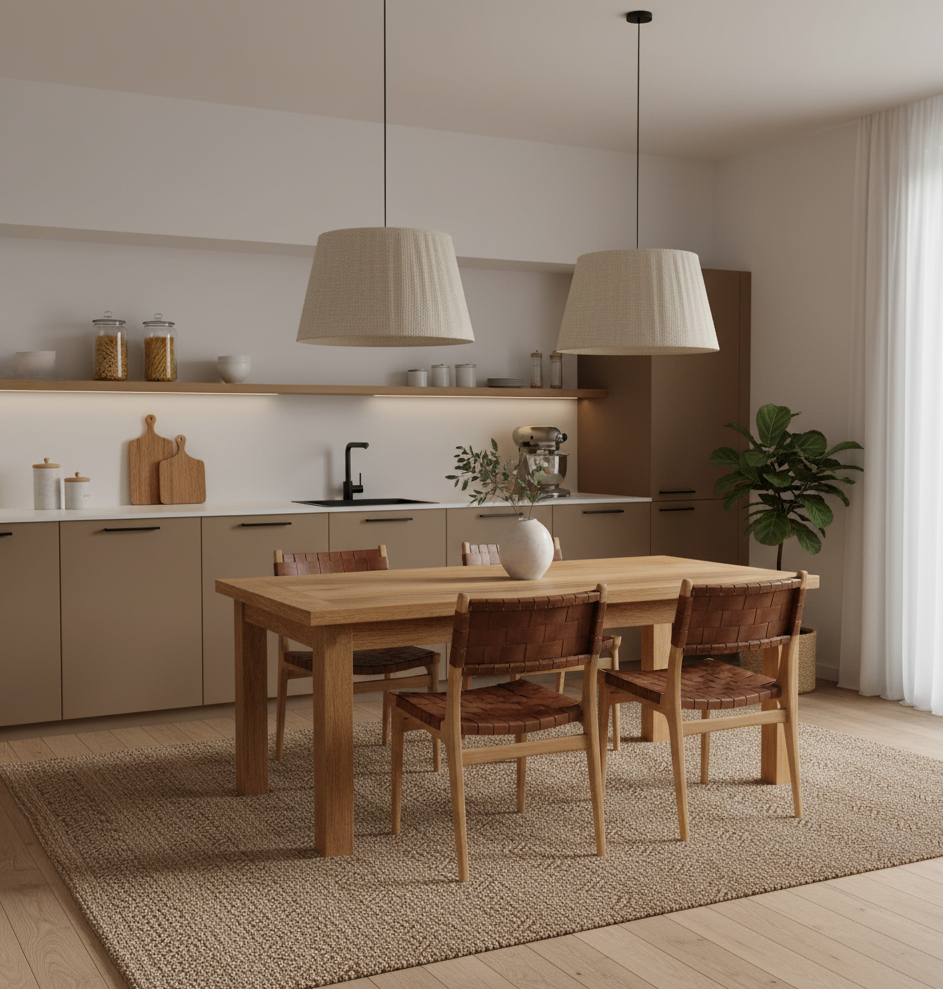
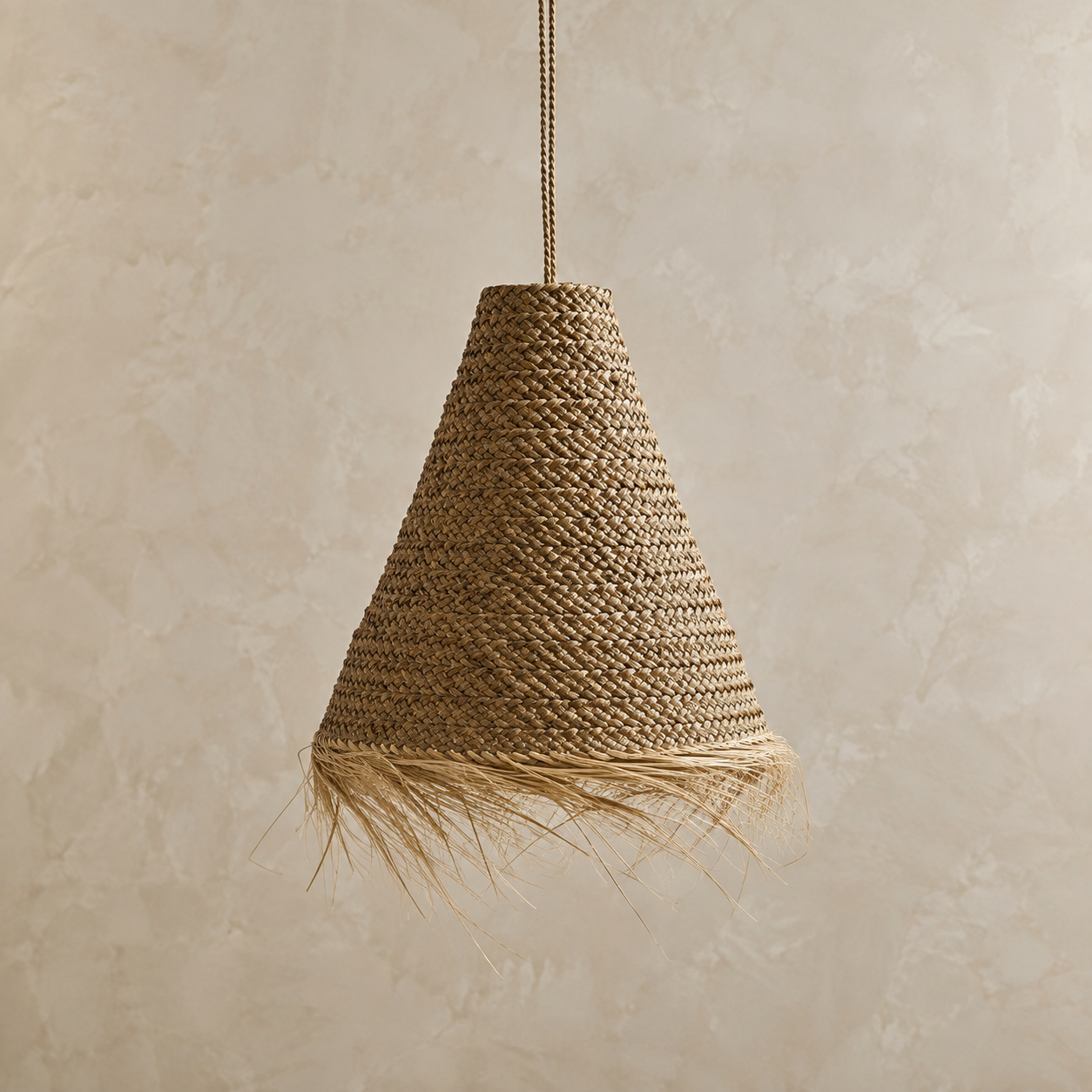
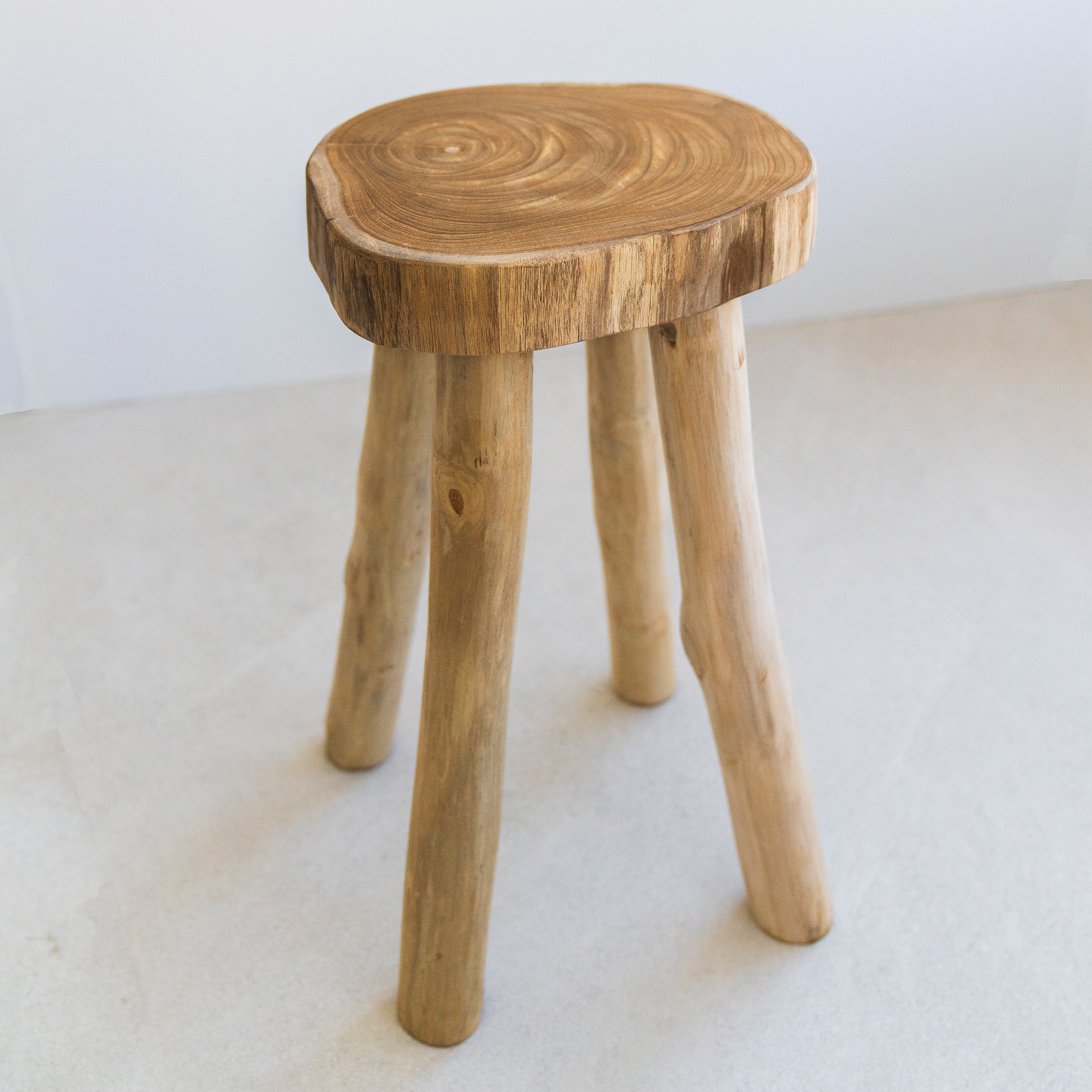
For a statement piece, consider the Uma Recycled Solid Teakwood Dining Table, a handcrafted recycled solid teakwood table with a smooth, natural finish. Another option to see is the Lawas solid wood dining table. You can also browse a handwoven Bali pendant light shade that showcases artisan craftsmanship. Compare the listing details, materials and dimensions against the checklist above before you decide. A modest option is a solid teak accent stool you can buy now.
Subscribe to our emails for new arrivals and craftsmanship notes.
Frequently Asked Questions
Is artisan furniture good quality?
Artisan furniture is generally built by hand, though construction and materials vary by maker. Quality still varies by maker, so check the materials list, joint construction and finish details before buying. Check the listed materials and specifications for each piece, and ask the seller about construction methods before you buy.
How does artisan-made furniture differ from mass-produced furniture?
Mass-produced furniture is typically made on assembly lines using standardized parts, engineered composite boards and machine-applied finishes. Artisan-made furniture is usually built in small batches by hand, with each piece shaped and finished individually. The result is more natural variation in grain and texture. Artisan pieces are often priced higher than mass-produced alternatives.
Does handmade furniture last longer?
Handmade furniture is often built from solid wood with traditional joinery and natural finishes, and longevity still depends on use, climate and care. Longevity still depends on use, climate and care. Teakwood, for example, is naturally resistant to moisture and pests, which supports durability in pieces like the Uma Recycled Solid Teakwood Dining Table listed at $3,250.00.
Is custom-made furniture worth the cost?
Custom-made furniture can suit buyers who need specific dimensions or a particular finish. Lead times and prices can be higher than standard pieces, so weigh the investment against how often you will use the item.
